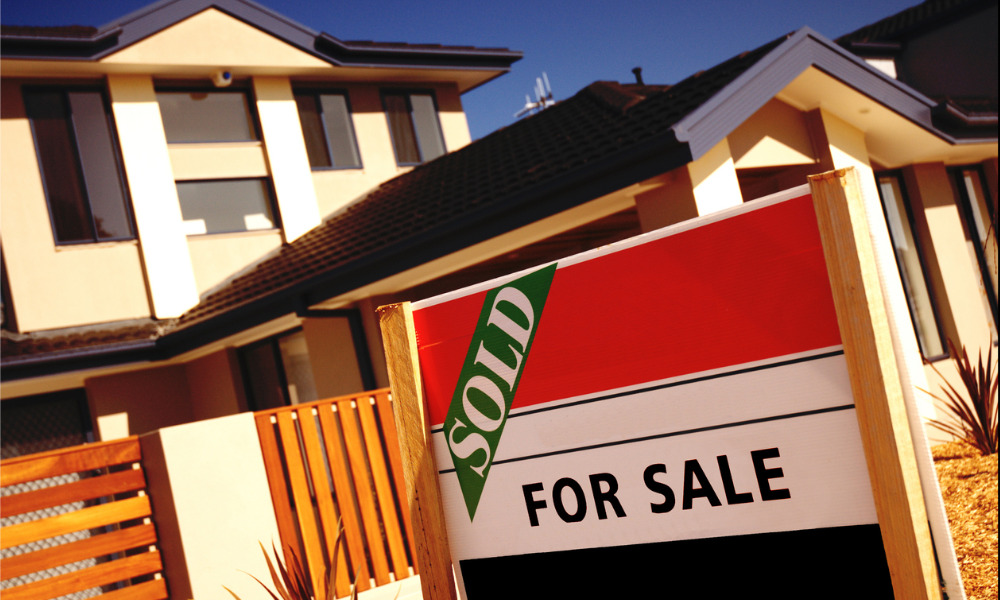
Millennials are more likely to enter the Australian real estate market over the next several years compared to other age groups, a recent survey by online banking UBank found.
The report finds that 44% of Australian millennials see buying a property as one of their top two goals over the next five to seven years, up 3% from to February. Almost half of these aspiring homeowners report currently saving for a deposit.
By comparison, owning a home in the near future is a priority for only a third of Gen Y and Gen Z.
How do Millennials save for their dream home?
Philippa Watson, chief executive of UBank, says the economic disruption caused by the coronavirus pandemic has "caused positive changes in financial behavior", particularly among young Australians.
“Although 45% of the population admits that their finances have been negatively affected in the past six months, we are seeing millennials emerging as being quite resilient,” she says. "They take the opportunity to implement budgeting and savings strategies to keep their financial goals, such as buying a home, on track, and lots of it. put half of their salary each month. "
According to the study, more than two-thirds of millennials say they saved enough to start buying a home, the highest of any age group. The numbers are 58% and 59% for Gen X and Baby Boomers, respectively, while 55% of Gen Z say they already have a budget.
"We know there is a direct correlation between budgeting behaviors and achieving your financial goals, and it's really impressive that so many young Australians are intentional about their money," says Watson.
Millennials have also shown an active interest in managing their own finances. About a fifth report having made one or more investments to increase their income, while 12% have upgraded in areas outside of their current job to improve their chances of getting jobs with higher wages.
What challenges do millennials face on their path to home ownership?
While many millennials have shown a strong sense of homeownership, most of them admit that lack of financial literacy is one of the biggest obstacles preventing them to climb the ladder of the property.
Over 80% of Millennials feel 'undereducated' when it comes to saving or buying a home, which could cost them money. thousands of dollars.
The study also found a link between personal budgeting behaviors and knowledge of home loans, revealing that those who did not actively budget were twice as likely to feel in the dark when it came to home loans. .
“Home ownership is still a major goal for Australians, especially young Australians, but our research shows knowledge gaps that could cost borrowers thousands and add unnecessary years to the repayment process Watson says. “Now is not a good time for everyone, but for some it can be a good time to move up the real estate ladder or consider refinancing and take advantage of interest rates at historically high levels. low."
Main mortgage advice
Watson says that "just 20 minutes of homework in rates and comparative fees" could save future homeowners "from thousands of people over the life of a home loan" and help make the dream of owning a home a reality. at hand.
She shares seven helpful tips when applying for a home loan.
1. Crunch the numbers early on.
Use a loan calculator to check how much you can borrow. Take into account additional costs like legal fees and stamp duties. If you've found a property, know its value.
2. Do your research.
Determine why you are buying real estate – investment or residence? This will help shape your search in terms of a mortgage lender, the area you want to buy, and the type of property.
3. Create a budget.
Now that you know where you want to buy and how much you can borrow, it's time to save for the deposit. Prepare a budget to calculate your monthly expenses and how much you need to set aside. UBank offers the Free2Spend budgeting tool, which tracks income against expenses. UBank USpend customers can also set a savings goal and the tool will adjust your spending budget based on that goal
4. Don't be afraid to shop.
Find a lender with the best rate and the best features you need, check the compare rate and any fees so you know exactly what you will be paying. If you have a home loan, check to see if you're getting the best rate. Don't be afraid to pick up the phone, call your bank, then call.
5. Be prepared for your application and know your expenses.
Have your ID card in order and know your income, living expenses and debts. Also prepare three months of bank statements.
6. Know the timeline – it may take longer than you think.
Contact your bank early, the process takes an average of five weeks for new loans.
7. Learn about lender support.
Check the bank & # 39; s website for support processes they have in times of uncertainty so you know what you will experience if you have repayment issues.