
Promoted by Jim & # 39; s Plumbing
Dealing with mold problems in the bathroom in an investment property can be a challenge. You're not there every week to keep track of cleaning routines. You cannot inspect every nook and cranny on a regular basis. There must be some trust in tenants.
However, there are still several important steps you can take to prevent mold growth as a homeowner. Your preparation and organization could make all the difference in an investment property. It is beneficial for yourself and for all tenants.
There is no reason to expect widespread mold and bacteria growth in a well-maintained home. Here's how you can prevent mold and mildew problems in your investment property's bathroom.
Fix leaky faucets
Leaking bathroom faucets and leaking showers will cause mold to grow if left alone for too long. Standing water in the sink drain and throughout the tile in the shower is a hotbed for fungal growth.
This is why it's best to never ignore dripping faucets or showers. It may seem like a permanent nuisance when faucets need regular repairs, but it's a needed fix. You will also get the best results by contacting a licensed plumber for plumbing and shower fixture repairs, rather than attempting unqualified DIY repairs.
Also consider the long term implications. A faucet that breaks and leaks regularly is not worth the cost of ongoing repairs. Replacing faucets with a new fitting is always the best option when new tenants move in.
Inspect old pipes and plumbing
The cause of mold could be hiding behind your walls. And if the hose is inaccessible enough, you might have serious concerns.
This is why you should inspect the plumbing when buying an old home. Older pipes are often made of steel, lead or cast iron and can rust. Leaks will occur as the seals break. Poor, unregulated installation from the past often results in major leaks in the walls as well.
Always keep an eye out for wall stains, mildew and damp smells in rooms and closets. These signs should be enough to scare you away from an investment property. If you're keen enough, know that you need to take care of the old plumbing before someone moves in.
Install exhaust fan
Current Australian building codes require an exhaust fan in the bathroom. Therefore, your property should have one ready to go. But if you've just purchased an investment property, there's a good chance the existing fan is old and damaged. It might not be up to the task.
Excess humidity and humidity in the bathroom creates an ideal breeding ground for the growth of bacteria and mold. High humidity levels can also cause paint and wallpaper to peel and wood surfaces to warp.
This is why direct ventilation above a shower is especially important. Steam and water that normally settles on walls, corners and crevices is rather vented or has a helping hand for quick drying. Bathroom ceiling exhaust fans also remove harmful chemicals produced by cleaning.
As per current Australian exhaust / ducting regulations, your bathroom and toilet exhaust fans must have a minimum flow rate of 25 L / s. The exhaust should be vented directly to the outdoors or into an appropriately ventilated roof space.
Provide natural ventilation
If your bathroom does not have an appropriate level of ventilation, your tenants may have the right to cancel a rental agreement before moving in. This is also something that they can bring in a third party to fix it.
If you have some budget flexibility or are restoring an old house, explore natural ventilation options. For example, a stationary window could be replaced with a window that opens and brings in a natural airflow.
Remember to consider security and privacy when making any changes. Regulations limit how far a window can be opened when the room is two meters or more from the floor. If the window cannot be opened, even leaving the door open allows air to circulate from other cross breezes.
Another option is a skylight exhaust fan. Again, this increases within the budget, but it provides convenience and flexibility. It is an eco-friendly option that encompasses both natural light and airflow assisted ventilation.
Clean regularly
Much of the responsibility for preventing mold in the bathroom lies with the tenants themselves. There's not much you can do when you're not home.
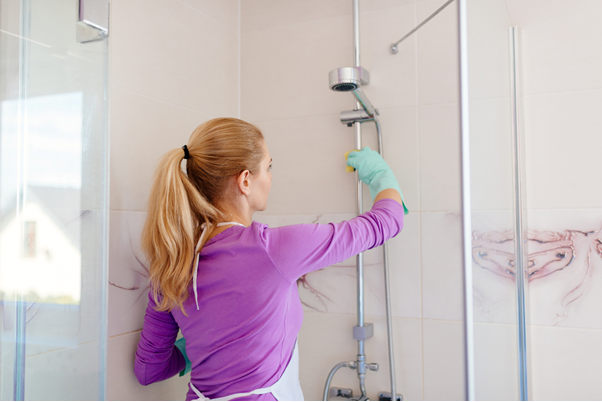
This is where your tenants need to take care of the property. Regular cleaning of the bathroom is essential. From wiping damp surfaces to permanently using the exhaust fan, there are quick and easy ways to get rid of mold and mildew.
Countless supermarket cleaning supplies will do the job. And the easiest way to clean is preventively. What do we mean by this? Well, if there is mold already, it takes extra effort to get rid of it.
However, by cleaning regularly and tidying up after each shower or bath, there is no chance of fungal growth. A spotless bathroom is actually quite easy.
But it's important that you follow up if you notice any worrying signs during an inspection. Talk to your tenants about mold in the bathroom and find the best solution to prevent them in the future. It may even be professional cleaners. Do all you can to achieve quick result to avoid persistent headaches.


