
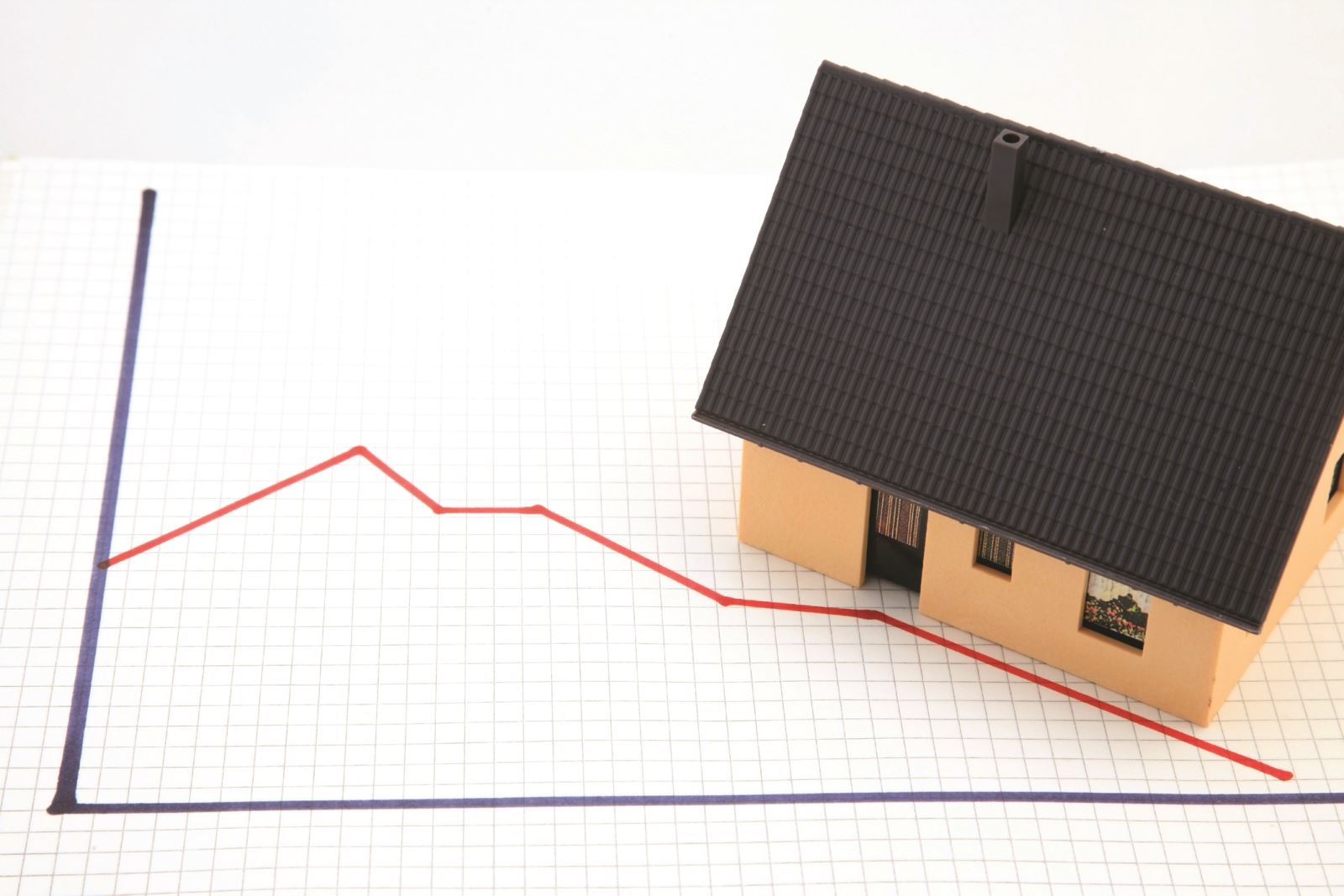
According to CoreLogic, home prices in capitals are down 10.1 percent from the September 2017 highs – their worst drop in the last 40 years. This represents a huge range: prices are down 15% in Sydney, 11% in Melbourne, 30% in Darwin, 19% in Perth, 2% in Brisbane and less than 1% in Adelaide, and reach record highs Canberra and Hobart.
Credit conditions are still tense and the portfolio of units destined for the Sydney and Melbourne markets is huge. Although bid closing rates in these cities have moved from their lowest levels of December, liquidations remain low, at levels of just over 50% before the boom, as well as sales volumes. .
And Australian housing remains expensive. Real house prices have gone from 27% above their long-term trend to only 7% above today, but housing remains expensive relative to incomes and rents. House prices in Sydney may have fallen by 15% from its peak of 2017, but after 75% since 2012. During the same period, wages rose only 14% and household debt remains very high.
However, even though the trails remain important, several positive aspects have emerged. First, financial assistance to first-time homebuyers is now under way thanks to the government's first mortgage loan program.
The subscription scheme itself is not decisive, especially because it is limited in numbers. In addition, borrowers will incur large mortgages, which will result in a higher risk of negative equity. they will still have to comply with the stricter credit standards of the recent period; and it will not start until next year. That being said, since the federal budget seems balanced and probably already in surplus due to soaring iron ore prices, I fear that the deposit mechanism will turn into a much more attractive subsidy for homebuyers.
Second, the APRA eases the 7% safety margin relating to the mortgage repayment rate. This was inevitable given APRA's desire to focus on more fundamental credit standards, and 7% are far from current interest rates. Again, this does not change the game – it is not the main factor behind the slowdown in property, and borrowers still have to comply with tighter credit standards.
Third, and as was generally expected, at its June meeting, the Reserve Bank reduced the official cash rate by 0.25% to 1.25%.
We expect a further rate cut of 0.25% in July or August and two more by the middle of next year, bringing the cash rate to 0. , 5%. We also expect most banks to sell all or most of the ABR reduction to customers. Housing prices have capped about three months after the first cuts in 2008 and 2011. This may take longer, with debt now much higher, rates already very low, and lending standards more stringent, but will continue to help.
At the same time, annual population growth of about 1.6% is still driving strong underlying demand for housing at a time when supply is likely to start slowing again next year.
Considering all of these factors, some of which are minor but still positive, housing prices are likely to hit their lows a little earlier and a little higher than expected.
Shane Oliver
is head of investment strategy and chief economist at AMP Capital
Top suburbs:
balga
,
Mt Lawley
,
Harris Park
,
Tiwi
,
Mayfield
Get help for your real estate investment
Do you need help in finding the right loan for your investment?
When you invest in real estate, it is important to make sure that you do not only have the lowest available rate that you can get, but you also have the features of ready adapted to your needs. What features or types of loans are suited to your needs? We will even help with the paperwork. In addition, an appointment is free.
We value your privacy and treat all your information seriously – you can check
our privacy policy here


